Let’s just cut to the chase: rosacea is a chronic inflammatory skin condition that feels like your face is throwing a temper tantrum in public—daily.
And if you’re like me, coasting through life with relatively calm, fair skin only to get sideswiped in your late 30s or 40s with severe rosacea, you know the psychological whiplash is real.
This isn’t a “gentle redness” situation. This is burning, flushing, stinging, tiny red bumps (a.k.a. papulopustular rosacea), and visible blood vessels doing the cha-cha across your cheeks. It's not just a common skin condition—it’s a full-time job.
So I’m spilling it: my rosacea symptoms, my treatment plan, the self-care that actually helps, and the products I made, and trust.
No fluff. No influencer BS. Just a makeup artist-turned-rosacea-warrior with a loud mouth and a barrier cream obsession. 🤣
What Is Rosacea?
If you have just been diagnosed, rosacea is a chronic skin condition with zero chill. It’s inflammatory, persistent, and shows up differently depending on your skin color and skin type.
Here’s what you might notice:
-
Persistent facial redness (especially central face)
-
Flushing like you just ran a marathon (while sitting still)
-
Acne-like red bumps (but no blackheads)
-
Burning, stinging, tingling
-
Spider-y small blood vessels (aka telangiectasia)
-
Dry skin, sensitive skin, and a whole lot of irritation
And yes—rosacea affects Black skin, brown skin, and every shade in between. The signs just look different (think hyperpigmentation instead of redness), which is why BIPOC folks often get misdiagnosed.
The education gap here is real. Cue the National Rosacea Society expert committee raising an eyebrow.
My Diagnosis: A Plot Twist I Didn’t Ask For
I was 37 when I had a hysterectomy.
My skin was still holding strong, despite years of UV exposure, tanning beds (Gen X culture), and harsh makeup removers.
But by 39? Boom. Rosacea. Severe case. I thought it was an allergic reaction or bad makeup.
Turns out, it was the beginning of a long-term skin condition with no off-switch. And as a makeup artist and esthetician, my face was everything!
The Diagnosis:
Getting a correct diagnosis took two years and a dozen wrong guesses: adult acne, eczema, seborrheic dermatitis, lupus. Classic.
Dermatologists missed the persistent redness. No one connected the flushing. And no one mentioned ocular rosacea, which was quietly messing with my eyes (more on that below).
Ocular Rosacea: Oh Cool, Now My Eyes Are Involved
Because this skin condition wasn’t spicy enough already, let’s add some eye symptoms:
-
Dry, red, irritated eyes
-
Light sensitivity
-
Burning/stinging sensations
-
Blurry vision in more severe cases
I use lid scrubs (Ocusoft), warm compresses, and prescription drops like Restasis to manage ocular involvement.
Do not sleep on eye symptoms. Your corneas will not thank you later.
I will say between that and my vision is pretty much the reason I stopped doing makeup full time.
What Causes Rosacea? (Spoiler: No One Fully Knows)
The development of rosacea isn’t just “oh you blush easily.” There’s a complicated dance of inflammation, immune system response, environmental factors, and microbiome chaos.
Here’s what the science suspects:
-
Mast cells go wild, releasing histamine = redness, heat, swelling
-
Cathelicidins (antimicrobial peptides) overreact and damage skin
-
Demodex folliculorum (tiny mites) throw raves in your pores
-
UV exposure, alcohol, spicy foods and other lifestyle triggers can kick it all off
-
Poor gut health may fuel systemic inflammation (I take probiotics, just in case)
Some research even links rosacea with oil glands and nervous system overactivation. So yeah—this is not just a surface-level skin problem.
Types of Rosacea: Not All Flares Are Created Equal
Rosacea isn’t just one-size-fits-all.
The types of rosacea vary, and your treatment plan should too. Here's the breakdown:
-
Erythematotelangiectatic rosacea (ETR)
➤ Symptoms: Persistent redness, visible blood vessels, sensitive skin
➤ Looks like: You’ve been sunburned for two years straight -
Papulopustular rosacea (PPR)
➤ Symptoms: Red bumps, pus-filled pimples, burning, inflammation
➤ Often mistaken for acne vulgaris -
Phymatous rosacea
➤ Symptoms: Thickening of skin, especially on the nose (rhinophyma)
➤ More common in men with untreated severe rosacea -
Ocular rosacea
➤ Symptoms: Eye irritation, swollen lids, light sensitivity, blurred vision
➤ Often missed or misdiagnosed—see an ophthalmologist if your eyes feel off
If your face is doing a combo platter of these?
Yep, that happens. Most people have overlapping rosacea symptoms, which is why working with board-certified dermatologists matters.
The Myth of Poor Hygiene and Rosacea
Let’s clear this up: rosacea is not caused by poor hygiene. You didn’t bring this on by skipping toner or not exfoliating enough. This is a chronic inflammatory skin condition, not a punishment for using drugstore wipes in college.
In fact, over-washing, over-scrubbing, and overdoing your routine can actually make it worse. Harsh exfoliants + fragile skin barrier = red alert.
Sun Protection = Your Daily Non-Negotiable
UV exposure is one of the biggest rosacea triggers. That’s not fear-mongering—it’s documented in dermatology journals and real-life skin. Sun exposure can flare redness, dilate blood vessels, and undo weeks of progress. So:
-
Wear broad-spectrum sunscreen with SPF 30+
-
Look for titanium dioxide or zinc oxide—physical blockers only
-
Reapply. Reapply. Reapply.
-
Wear wide-brimmed hats, seek shade, and stop playing “let me just run to the car” without SPF
Trust me: your future face will thank you.
Rosacea in Skin of Color: Still Real, Still Misdiagnosed
If you have Black skin, brown skin, or lighter skin with olive undertones, rosacea can be harder to spot. Instead of bright red flares, you may see:
-
Brown or purple discoloration
-
Hyperpigmented bumps
-
Sensitivity and irritation without obvious redness
This is why board-certified dermatologists who understand skin color are essential. The system is still learning (read: failing) when it comes to diagnosing rosacea in non-white patients. That’s why your own health information and skincare journaling matters.
Rosacea & Mental Health: No One Talks About This Enough
Let’s be honest—this is more than skin-deep. The quality of life impact? Huge. Low self-esteem, social anxiety, and that constant “my face is betraying me” feeling? Been there.
Some research even suggests a link between rosacea and the nervous system—aka why stress can trigger a flare faster than red wine. If your skin freaks out during emotional highs or lows, you’re not imagining it.
Lifestyle Changes That Actually Help
No, I’m not going to tell you to stop living your life. But a few lifestyle changes can make a big difference:
-
Keep a symptom diary to track flare-ups and common triggers
-
Switch to broad-spectrum sunscreen with titanium dioxide
-
Avoid hot yoga, hot tubs, and hot drinks (lukewarm is your new vibe)
-
Ditch skincare with synthetic fragrance, menthol, eucalyptus, or alcohol
-
Consider wearing wide-brimmed hats when outdoors
-
Hydrate like it’s your job (because if you’re flaring—it kinda is) which is why my skin care line is so good!
The Rosacea Treatment Plan: Layered, Not Complicated
A good rosacea treatment plan is strategic—not overwhelming. You don’t need a 10-step routine; you need a smart one. Whether you have mild rosacea or a more severe case, here’s a simplified protocol to discuss with your derm:
Morning:
-
Creamy cleanser (no sulfates, no foam)
-
Lightweight hydrator (hello, Water Elixir)
-
Moisturizer to seal (look for ceramides, squalane)
-
Mineral SPF (tinted if you want to neutralize redness)
Evening:
-
Cleanser again (gently)
-
Calming serum or prescription topical (like topical ivermectin)
-
Moisturizer that repairs your barrier
-
Skip actives if you're in a flare; buffer them if you’re not
Optional Add-ons:
-
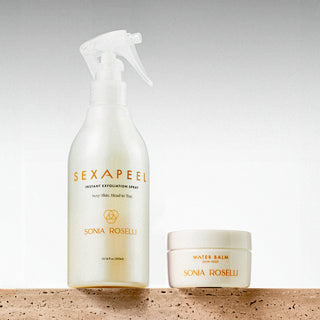
Sexapeel Spray for body or face (when you're calm—not flaring)
-
Laser treatment every few months to target broken capillaries
-
Probiotics to support gut-skin axis
What About Natural Remedies or Home Hacks?
There’s no herbal miracle here. But some people swear by:
-
Green tea soaks (antioxidant, anti-inflammatory)
-
Colloidal oatmeal masks (soothing, barrier-building)
-
Licorice root (calming pigment and redness over time)
Just don’t expect turmeric and coconut oil to be your cure. Rosacea is a chronic condition, not a DIY project. Talk to skin specialists before slathering on pantry items. Girl, stop.
Final Thoughts: Stop Suffering in Silence
Rosacea isn’t just a “blushing problem.” It’s a chronic skin condition that impacts everything—from your mirror to your mental health. But the right treatment of rosacea can lead to significant improvement, even in severe rosacea cases.
Don’t wait for your face to scream before you act.
-
Learn your triggers
-
Use gentle, science-backed topical agents
-
Get help from board-certified dermatologists
-
Don’t fear oral treatments if needed
-
Wear SPF like it’s oxygen
-
And give your skin grace—even when it’s being a drama queen
Want More No-B.S. Rosacea Support?
Come hang out with us on Substack. We get into the nitty gritty on:
-
How to layer products for best results
-
Which topical antibiotics aren’t worth your time
-
Product reviews for actual humans (not 19-year-old influencers)
-
Email-only deep dives on proper skin care for every rosacea subtype
-
Exclusive rosacea-safe routines, especially for makeup lovers
Because you deserve more than outdated pamphlets and TikTok “hacks.”
You deserve a real plan, real results, and skin that feels like home again.
Hope this and the video help!
XO
Sonia
My favorite Kit For Rosacea: The Barrier Repair Trio